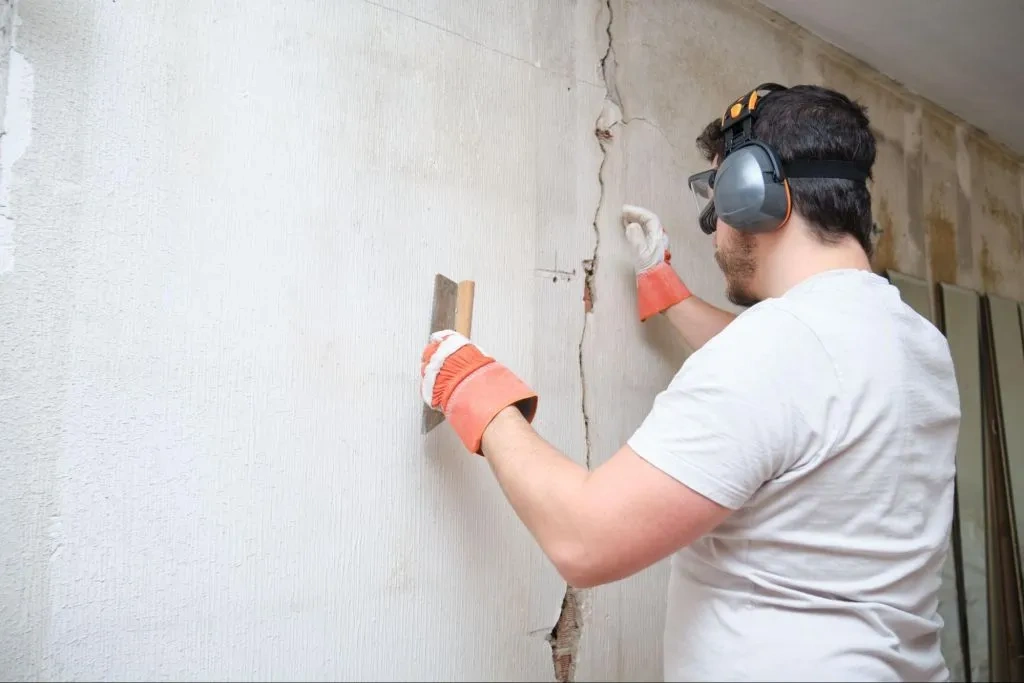
You notice a yellow stain on your Ceiling… maybe a soft spot on the Wall… or Paint Starting to Bubble
At first, it doesn’t feel Urgent
But Here’s the Truth:
drywall water damage repair is One of those problems that Quietly gets Worse and More Expensive the Longer you ignore it
Let’s Walk through what’s really Happening, What it Costs and what you Should Actually do Next
Signs You Might Have Drywall Water Damage
Most People don’t realize they Have a Problem until it’s Already Spread.
Watch For these:
> Brown or yellow Ceiling stains
> Bubbling or Peeling paint
> Soft or sagging Drywall
> Musty smell in Rooms
> Cracks Forming near Damp Areas
If you’re Seeing even one of these There’s a high chance Moisture has already Entered your wall System
What Causes Drywall Water Damage?
Let’s make this simple, drywall doesn’t get wet on its own.
Here are the real culprits:
> Roof leaks (very common for ceilings)
> Plumbing leaks behind walls
> AC condensation issues
> Flooding or water overflow
> High humidity over time
Once water gets inside, it weakens the gypsum core, damages seams and can even trigger mold growth
Why You Shouldn’t Ignore It
A lot of Homeowners try to “Wait and See”
Bad move.
Here’s what can Happen:
> Mold starts forming within 24–48 Hours
> Drywall loses Structural strength
> Damage spreads behind Walls
> Repair costs increase Significantly
What looks Like a small stain is Often just the visible Part of a much Bigger problem
Drywall Water Damage Repair Cost
Let’s talk about money because that’s what most people really want to know.
Typical Cost Ranges:
Small patch repair: $150 – $500
Moderate repair: $500 – $2,000
Severe damage (replacement + mold): $2,000 – $5,000+
Water damage repairs are expensive because they involve inspection, drying, removal and rebuilding, not just patching
In general, drywall repair can range widely depending on size, labor, and complexity
Translation:
You’re not paying to “fix a wall” you’re paying to restore a damaged system.
Repair vs Replace: What’s Actually Better?
Here’s the honest answer most contractors won’t clearly tell you:
Repair if:
Damage is small
Drywall is still firm
No mold present
Replace if:
Drywall feels soft or crumbling
Stains keep coming back
Moisture has spread
Mold risk exists
If water sat too long, replacement is almost always the smarter (and safer) option.
Can You Fix Water-Damaged Drywall Yourself?
Short answer: Sometimes.
DIY works if:
Very small area
No Mold
You caught it Early
But here’s the Risk:
Hidden moisture Stays inside
Mold grows Behind the wall
Repair fails in Weeks
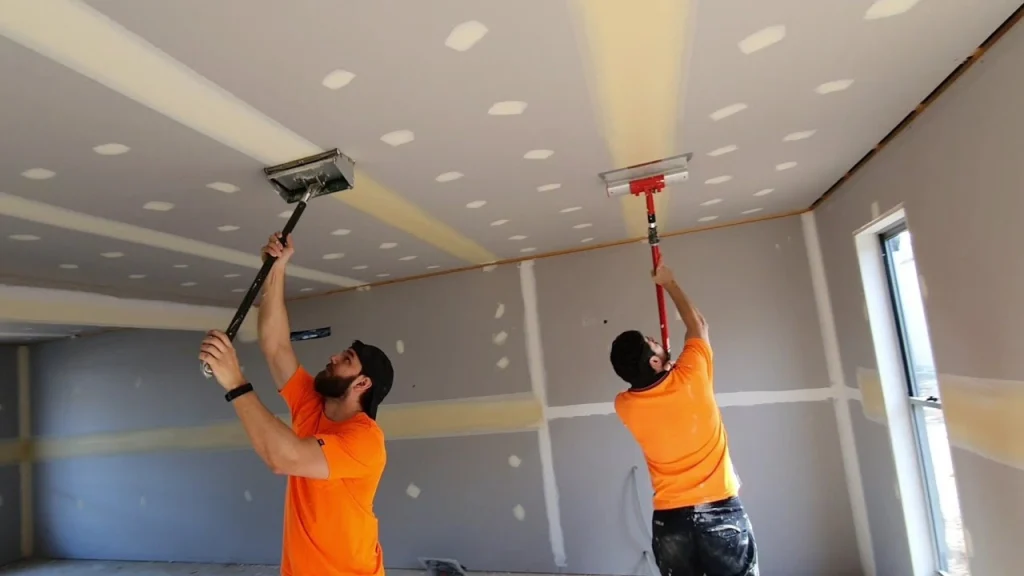
Professionals Use moisture Detection, Drying equipment and proper Removal things DIY usually Misses
Why Hiring a Professional Actually Saves You Money
It sounds backwards, But it’s True
A proper Repair includes:
Moisture inspection
Controlled drywall Removal
Drying and Dehumidification
Mold prevention
Seamless Finishing
Without this Process, the Damage often comes Back costing you Double
When You Should Call a Pro Immediately
Don’t wait if You Notice:
Sagging Ceiling
Large wet Patches
Musty Odor
Reappearing Stains
Visible Mold
These are Signs the Damage has already Gone beyond Surface Level.
Real-Life Scenario (So You Can Relate)
Let’s say:
You see a small ceiling stain.
You ignore it for a few weeks.
What actually happens:
Leak continues
Insulation gets wet
Mold starts forming
Ceiling weakens
What could’ve been a $300 fix turns into a $2,500 repair.
FAQs
How much does drywall water damage repair cost?
Most repairs range from $150 to over $2,000 depending on severity, size, and whether mold or structural issues are involved.
Can wet drywall be saved?
Only if it dries quickly and remains structurally strong. Soft, swollen, or stained drywall water damage repair usually needs replacement.
How long does drywall take to dry after water damage?
It can take a few days to over a week depending on humidity, airflow, and how deep the moisture has penetrated.
Is mold always present in water-damaged drywall?
Not always, but the risk increases significantly after 24–48 hours of moisture exposure.
Should I repair or replace water-damaged drywall?
Repair small, dry areas. Replace if the drywall is soft, moldy, or has widespread damage.
Final Thoughts
Here’s the Bottom Line:
Drywall water Damage is not just cosmetic, it’s Structural and Sometimes even a health Issue
The Longer you wait:
The Worse it spreads
The Higher the cost
The Bigger the repair
If you’re Noticing signs right Now, Don’t overthink it.
Get It Checked Before It Gets Expensive
A quick Inspection today Can save You thousands Later
Get a professional Assessment
Identify hidden Moisture
Fix the root Cause, Not just the Surface
Because drywall water damage repair problems Don’t stay Small for Long